 By Jocelyn Ian
The global economy is caught in an undeniable paradox. Building a cleaner, electrified world requires more mined materials than at any other point in human history. Wind turbines, solar panels, grid-scale batteries, and electric vehicles all depend on massive, steady supplies of copper, lithium, cobalt, nickel, and rare earth elements. Yet the very industry tasked with supplying these critical minerals has long been scrutinized for its carbon footprint, water consumption, and ecological disruption.
For decades, mining companies treated operational efficiency and environmental stewardship as competing priorities. Today, that divide is disappearing. The most forward-thinking operators are discovering that advanced equipment and sustainable practices are not separate initiatives, but two halves of the same business strategy. By pairing automation, electrification, and precision data with rigorous resource management, the mining sector is quietly undergoing its most significant transformation since the Industrial Revolution.
Autonomous Machinery and the Shift to Digital Operations
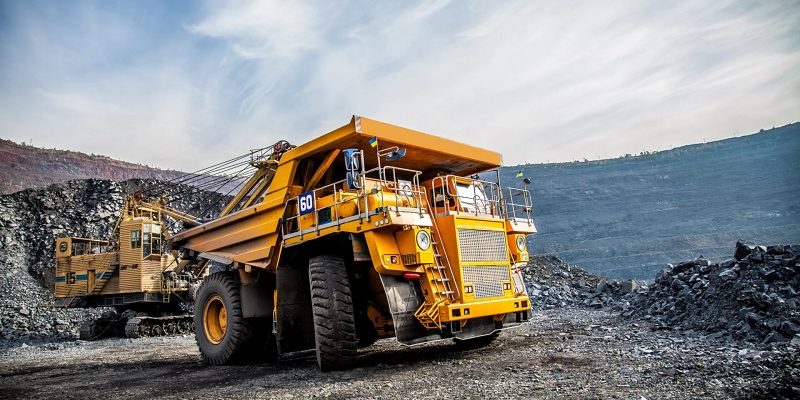
Walk onto a modern tier-one mine site, and the first thing you might notice is how few people are actually inside the heavy machinery. Autonomous haulage systems, automated drill rigs, and remote-controlled underground loaders are rapidly moving from experimental pilot programs to standard operating procedure.
These machines rely on a combination of LiDAR, radar, high-precision GPS, and onboard computing to navigate complex haul roads and tight underground drifts. Unlike human operators, autonomous trucks do not experience fatigue, shift-change delays, or inconsistent braking habits. They follow optimal speed profiles and exact routing paths, which immediately translates into lower fuel burn, reduced tire wear, and steadier production cycles.
Equally important is the impact on worker safety. By relocating operators from the cabs of massive haul trucks or deep underground headings into centralized, climate-controlled operations centers—sometimes hundreds of miles away—companies dramatically reduce human exposure to dust, vibration, rockfalls, and extreme heat.
Predictive Maintenance and Real-Time Telemetry
Automation is only as reliable as the machinery behind it. Unplanned downtime on a primary crusher or an ultra-class haul truck can cost an operation tens of thousands of dollars per hour. To prevent these disruptions, modern equipment is outfitted with dense networks of Internet of Things sensors that monitor engine temperature, hydraulic pressure, vibration patterns, and component wear in real time.
Machine learning algorithms analyze this telemetry continuously, flagging subtle anomalies days or weeks before a part actually fails. Maintenance teams can schedule repairs during planned windows rather than reacting to catastrophic breakdowns. Beyond saving money, predictive maintenance extends the useful life of heavy equipment, reducing the embodied carbon associated with manufacturing replacement machinery and spare parts.
Electrification of the Heavy Fleet
Diesel fuel has powered the mining industry for nearly a century, and it remains the single largest source of direct greenhouse gas emissions on most sites. Replacing diesel is no small feat when dealing with 300-ton haul trucks operating 24 hours a day in remote, rugged terrain. Still, the shift toward fleet electrification is accelerating faster than many industry veterans predicted.
The transition is happening first and fastest underground. In subterranean mines, diesel engines generate intense heat and toxic particulate matter, forcing operators to spend a massive portion of their energy budget on giant ventilation and cooling systems. Switching to battery-electric vehicles eliminates tailpipe emissions at the face, slashes ventilation power requirements, and creates a noticeably quieter, cooler, and healthier workspace for underground crews.
Above ground, the energy density required for massive open-pit haul trucks presents a tougher engineering challenge. Rather than waiting for a single silver bullet, equipment manufacturers and mining houses are deploying a mix of solutions:
-
Trolley-assist systems use overhead electric lines along steep uphill haul ramps, allowing hybrid or battery-electric trucks to draw power directly from the grid during the most energy-intensive part of their cycle.
-
Fast-charging and battery-swapping stations enable mid-sized fleets to stay in near-continuous rotation with minimal downtime.
-
Hydrogen fuel cell trucks are emerging as a viable zero-emission option for long-haul, heavy-payload routes where battery weight would otherwise eat into cargo capacity.
Pairing these electrified fleets with on-site renewable energy—such as solar arrays, wind turbines, and battery energy storage systems—allows remote mines to insulate themselves from volatile diesel prices while slashing their overall emissions profile.
Precision Extraction and Minimizing Waste
Historically, mining has been a blunt instrument. Traditional bulk extraction involves blasting, hauling, and crushing enormous volumes of rock just to recover a small percentage of valuable metal. Moving and processing barren waste rock consumes vast amounts of energy and water while creating massive footprints that require decades to rehabilitate.
Advanced geological modeling and sensor-based ore sorting are changing that equation. Using high-resolution imaging, X-ray transmission, and hyperspectral sensors, modern sorting machines can analyze individual rocks on a conveyor belt in milliseconds. Automated air jets or mechanical diverters separate high-grade ore from barren waste before the material ever reaches the energy-hungry grinding mills.
In certain deposits, companies are also refining in-situ recovery methods, which use targeted solutions to dissolve and pump specific minerals to the surface through boreholes without excavating an open pit at all. When combined with AI-driven exploration tools that map ore bodies with far greater accuracy than traditional grid drilling, the industry is learning to extract more value while disturbing significantly less earth.
Water Stewardship and Tailings Management
In major mining jurisdictions like the American Southwest, northern Chile, and Western Australia, water is often scarcer and more politically sensitive than energy. Local communities and agricultural sectors rightly scrutinize industrial water withdrawals, forcing mines to rethink how they source, use, and recycle every gallon.
Modern processing plants are increasingly designed around closed-loop water systems. Instead of drawing continuously from local aquifers or rivers, these facilities capture, treat, and recirculate process water through multiple cycles. In arid coastal regions, some large-scale operations have invested in desalination plants, pumping treated seawater uphill to avoid competing with municipal freshwater supplies altogether.
Moving Beyond Wet Tailings Dams
Closely tied to water management is the handling of tailings—the fine-grained slurry left behind after valuable minerals are separated from crushed rock. For generations, mines stored this waste in massive earthen impoundments known as tailings dams. Following several high-profile dam failures over the past decade, investors, regulators, and local communities have demanded safer alternatives.
The industry’s most promising response is dry-stack tailings, also known as filtered tailings. Using heavy-duty filter presses, operators squeeze the vast majority of the water out of the slurry before disposal. The recovered water goes straight back into the processing plant, while the remaining material—resembling damp sand—is stacked and compacted into stable, engineered landforms. Dry stacking virtually eliminates the risk of catastrophic liquefaction failures, shrinks the physical footprint of the waste site, and allows vegetation to be re-established much sooner.
Circularity, Reclamation, and Post-Mining Land Use
A truly sustainable mining model does not treat environmental restoration as an afterthought to be handled after the ore runs out. Leading operators now practice progressive reclamation, rehabilitating disturbed areas continuously throughout the life of the mine. As soon as one section of a pit or waste dump is no longer active, crews regrade the slopes, replace stockpiled topsoil, and reseed the land with native plant species.
At the same time, the concept of circularity is taking root within the sector. Historic tailings ponds and waste rock piles—often viewed strictly as environmental liabilities—frequently contain significant concentrations of critical minerals that older processing technologies could not capture, or that had no market value fifty years ago. By re-mining and reprocessing these legacy sites with modern extraction equipment, companies can recover valuable metals like cobalt, copper, and rare earths while simultaneously cleaning up and re-stabilizing old industrial footprints.
Even after extraction ends completely, closed mine sites are finding productive second lives. Flat, graded waste dumps with existing high-voltage grid connections are ideal locations for utility-scale solar farms. Deep open pits and underground shafts are being evaluated and converted into pumped-hydro and gravity-based energy storage facilities, turning former extraction sites into long-term assets for the clean energy grid.
The Workforce Evolution and Economic Reality
Adopting autonomous fleets, AI-driven sorting, and closed-loop processing requires a different kind of workforce. While the total number of people needed to drive trucks or operate manual drills is shrinking, demand is surging for data scientists, robotics technicians, mechatronics specialists, hydrogeologists, and environmental engineers. Mining companies are increasingly partnering with technical colleges and universities to retrain existing workers and attract tech-savvy talent that might never have considered a career in heavy industry a generation ago.
Of course, none of this comes cheap. Upgrading to battery-electric fleets, installing dry-stack filtration plants, and building on-site renewable microgrids demands steep upfront capital expenditures. For smaller junior miners operating on tight margins, the financial barrier to entry remains a real hurdle.
Yet the long-term economics are shifting decisively in favor of modernization. Access to institutional capital is now heavily tied to environmental, social, and governance performance. Lenders and automakers are increasingly willing to sign long-term off-take agreements—and offer favorable financing—to producers who can prove their metals were extracted with low carbon intensity and minimal ecological harm. Meanwhile, automated and electrified sites consistently post lower operating costs per ton over the life of the asset.
A Smarter, Cleaner Path Forward
The mining industry cannot simply stop extracting raw materials without bringing modern infrastructure and the global energy transition to a halt. The only realistic path forward is to mine better. Advanced equipment is giving operators the precision, safety, and energy efficiency needed to meet soaring global demand, while sustainable practices are ensuring that communities and ecosystems do not pay an unacceptable price for those resources. As automation, electrification, and circular land management become the baseline standard rather than the exception, mining is evolving from a legacy heavy industry into a disciplined, high-tech cornerstone of a sustainable future.
What is your reaction?
Excited
0
Happy
0
In Love
0
Not Sure
0
Silly
0