 By Jocelyn Ian
Marketing and sales teams often share a growth target but use different definitions of progress. Marketing may report high engagement and lead volume, while sales receives contacts that are unsuitable or unprepared. Alignment creates a common process for identifying, developing, and responding to potential business opportunities.
Through demand generation, organizations can connect marketing activities with potential customer interests, develop stronger engagement, and support a consistent process for identifying and nurturing prospective business clients.
Agree on the Ideal Customer
Both departments should contribute to the ideal customer profile. Marketing can provide audience and campaign data, while sales can explain which organisations tend to progress, purchase, and remain valuable.
The profile may consider industry, company size, location, technology, business conditions, and common needs. It should also recognise characteristics that frequently prevent a successful engagement.
A shared profile helps marketing focus its campaigns and gives sales a consistent basis for qualification.
Define the Stages of Interest
Terms such as lead, qualified lead, and opportunity can mean different things to different teams. Clear definitions prevent misunderstanding.
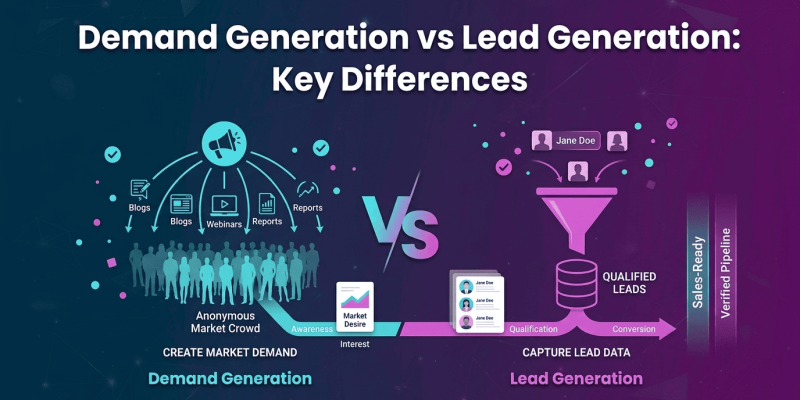
An early-stage lead may have engaged with educational content. A marketing-qualified lead may match the target profile and demonstrate meaningful interest. A sales-qualified lead may have a confirmed need, appropriate authority, and a realistic timeframe.
The precise stages should suit the business. Each stage needs agreed criteria and a clear owner.
Build a Practical Scoring Model
Lead scoring can combine company fit with behaviour. An individual from a priority industry who visits service and pricing pages may deserve greater attention than someone outside the target market who downloads one general guide.
Scoring should remain understandable. An overly complicated model can create a false impression of accuracy and become difficult to maintain.
Teams should regularly check whether highly scored leads progress. If they do not, the model needs adjustment.
Establish an Appropriate Response Process
Interest can decline when follow-up is slow or irrelevant. Marketing and sales should agree on how quickly different enquiries will be handled and what information should be available.
A direct demonstration request may require prompt personal contact. An early-stage content subscriber may be better served through a relevant nurture programme.
CRM records should provide useful context, such as campaign source, selected service, pages viewed, and information submitted through a form. This helps sales representatives respond more effectively.
Develop Nurture Programmes Together
Not every suitable prospect is ready to purchase immediately. Marketing can maintain engagement through educational emails, event invitations, case studies, and practical resources.
Sales representatives can improve these programmes by sharing the questions and objections they encounter. This ensures that nurturing reflects real buying conversations.
Prospects delayed by timing, budget, or internal priorities can enter tailored follow-up paths instead of disappearing from view.
Create a Feedback Loop
Sales should report what happens after accepting a lead. Was the organisation suitable? Did the contact have a relevant need? Did the opportunity progress, pause, or close?
This feedback helps marketing distinguish campaigns that generate activity from those that contribute to genuine opportunities.
Short, regular reviews can be more useful than occasional large meetings. Teams can examine lead quality, discuss objections, and agree on specific adjustments.
Use Shared Reporting
A shared dashboard can connect marketing engagement with sales outcomes. It may include target-account activity, qualified leads, accepted leads, opportunities, pipeline value, and completed sales.
Both teams should understand how each number is calculated. Reporting loses value when different departments or systems provide conflicting figures.
Revenue attribution may remain imperfect, particularly across long sales cycles, but consistent reporting still improves decision-making.
Maintain a Common Message
Prospects should hear a consistent explanation from their first campaign interaction through the sales process. If marketing promises an outcome that sales cannot support, confidence can decline.
Messaging frameworks, shared content libraries, and joint campaign planning help maintain consistency. Sales teams should know when new campaigns launch and understand what prospective customers have been told.
When marketing and sales share audience definitions, lead stages, response processes, reporting, and feedback, the business can reduce wasted effort and create a dependable route from market engagement to qualified sales opportunities.