 By Jocelyn Ian
Small-group training sits between personal training and large-format classes. It gives members more guidance than a crowded class, while allowing coaches to work with several people at once. For gym operators, that creates a different service model. For members, it changes the balance between attention, cost, accountability and scheduling.
The value of a fitness gym Singapore membership is not only the equipment available on the floor. It is also the range of training formats that can meet different needs. Small-group coaching can be useful when its purpose, group size and progression model are clear. It becomes less useful when it is simply personal training with less individual attention and unclear rules.
What Small-Group Training Actually Offers
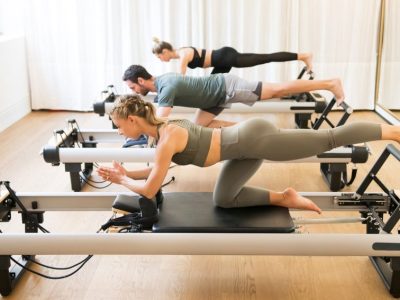
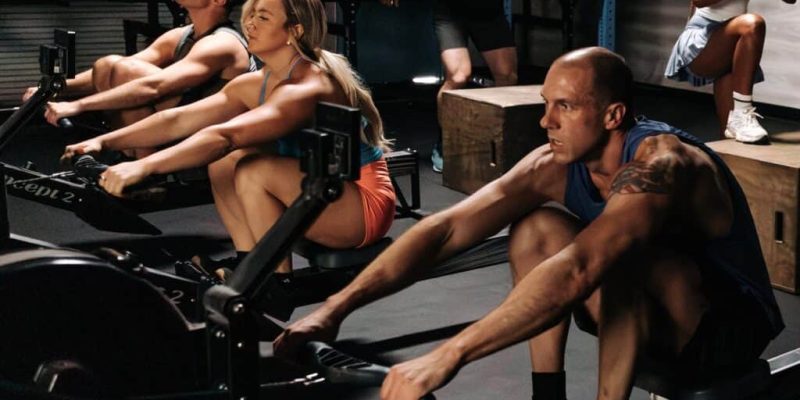
A small group should not be defined only by how many people fit in a studio. The meaningful question is whether the coach can still observe members, adjust exercises and manage the pace safely.
The format works best when participants have broadly compatible goals or abilities. A group focused on beginner strength, for example, may progress through common movement patterns while each person uses a suitable load. A group preparing for a running event may share conditioning work while receiving different intensity targets.
The coach’s role is not to deliver the same instructions louder. It is to create enough common structure for the group while keeping individual decisions visible.
Why It Changes the Business Model
Personal training is highly individual but limited by the number of hours a coach can sell. Large classes can serve many people but offer less individual feedback. Small groups occupy a middle ground.
For the operator, this can create more revenue per coaching hour than one-to-one sessions. It can also make coaching available to members who would not regularly purchase personal training. However, the commercial case only works when quality remains high. Overfilling the group may increase short-term income while reducing retention, safety and results.
A sustainable programme needs clear pricing, session limits, coach preparation and an appropriate booking system. The number of people should reflect the complexity of the training, not merely the room capacity.
Coaching Quality Needs a Different System
A coach working with six members cannot observe each person continuously. The session therefore needs structure.
Good small-group coaching often includes:
- a short briefing that explains the day’s purpose;
- grouped warm-up movements with easy regressions;
- stations arranged to avoid congestion;
- clear work and rest timing;
- individual load or range adjustments;
- a way to record progress;
- a closing check for next steps.
The session should not depend on random intensity. Members need to know what success looks like. It may be improved control, a consistent repetition range, better pacing or a slightly higher load.
Group Design Affects Member Retention
People often remain consistent when somebody notices their attendance and remembers their goals. Small groups can create that accountability without the price of frequent individual sessions.
The social element also matters. Members may enjoy working alongside others, especially when the atmosphere is supportive rather than competitive. However, no one should feel pressured to perform at a level that does not suit their current ability.
Group matching is therefore important. A highly experienced lifter, a complete beginner and a person returning after injury may all train in the same broad format, but they may not belong in the same progression group.
Revenue Is Not the Only Metric
A gym may see a small group as an efficient coaching product. Members experience it differently. They consider whether the coach has time to correct technique, whether equipment is available, whether bookings are reliable and whether the programme actually progresses.
Useful performance measures for the operator include:
- attendance consistency;
- waiting-list patterns;
- repeat bookings;
- member feedback about coaching attention;
- equipment conflicts;
- progression outcomes;
- referrals and retention.
These are more revealing than the number of sessions sold. A full group that repeatedly loses members after a few weeks may signal a poor match between price, coaching quality and expectations.
Scheduling Needs to Respect the Gym Floor
Small-group training can create conflict when it occupies equipment that independent members need during peak hours. This is especially important in a city gym where space is valuable.
A well-managed club allocates group sessions to appropriate zones and times. It may reserve a training area, use dedicated equipment or publish schedules clearly so members can plan around it. Coaches should not expand into walkways or take over every available bench because a group arrives.
Operational discipline protects the experience for both coached and independent members.
Pricing Should Be Transparent
Members should know whether they are buying a fixed block, a recurring programme, a drop-in class or a coaching credit. They should understand the cancellation policy, expiry date, replacement rules and what is included between sessions.
The value is not determined only by the group price. A lower-priced programme may still be poor value if the sessions are too crowded, the coach changes constantly or progress is never reviewed. A higher-priced group may make sense when it offers stable coaching, clear programming and useful feedback.
Transparency prevents the feeling that members have purchased a service whose limits appear only after payment.
A Good Session Produces Independence
The best small-group training does not make members dependent on constant coaching. It teaches them how to set up equipment, understand effort, choose an appropriate load and recognise when a movement needs changing.
That independence helps the member use normal gym access more effectively. They can train alone between coached sessions, repeat a familiar programme and return to the coach with more useful questions.
At True Fitness Singapore, members considering small-group options should ask how the format connects to the wider gym experience. Can the lessons be practised independently? Are group sizes defined? Is there a clear progression plan? Can the coach offer an alternative when a movement does not suit the member?
Frequently Asked Questions
Is small-group training the same as group fitness?
Not always. Group fitness is usually a larger scheduled class with common instructions. Small-group training generally offers more individual coaching, smaller numbers and a clearer progression model.
How many people should be in a small training group?
The right number depends on exercise complexity, equipment access and coach experience. More technical or individualised work requires fewer people than a simple cardio or mobility session.
Is small-group coaching cheaper than personal training?
It is often lower in cost per session because the coaching time is shared, but price and value depend on the group size, coach attention, progression and terms.
Can beginners join small-group training?
Yes, if the group is designed for their level and the coach can provide suitable regressions. Ask how exercise modifications and load selection are managed.
What should I ask before buying a small-group package?
Ask about group size, coach qualifications, session length, progression, cancellation rules, expiry, equipment access and whether the coach provides feedback between sessions.